
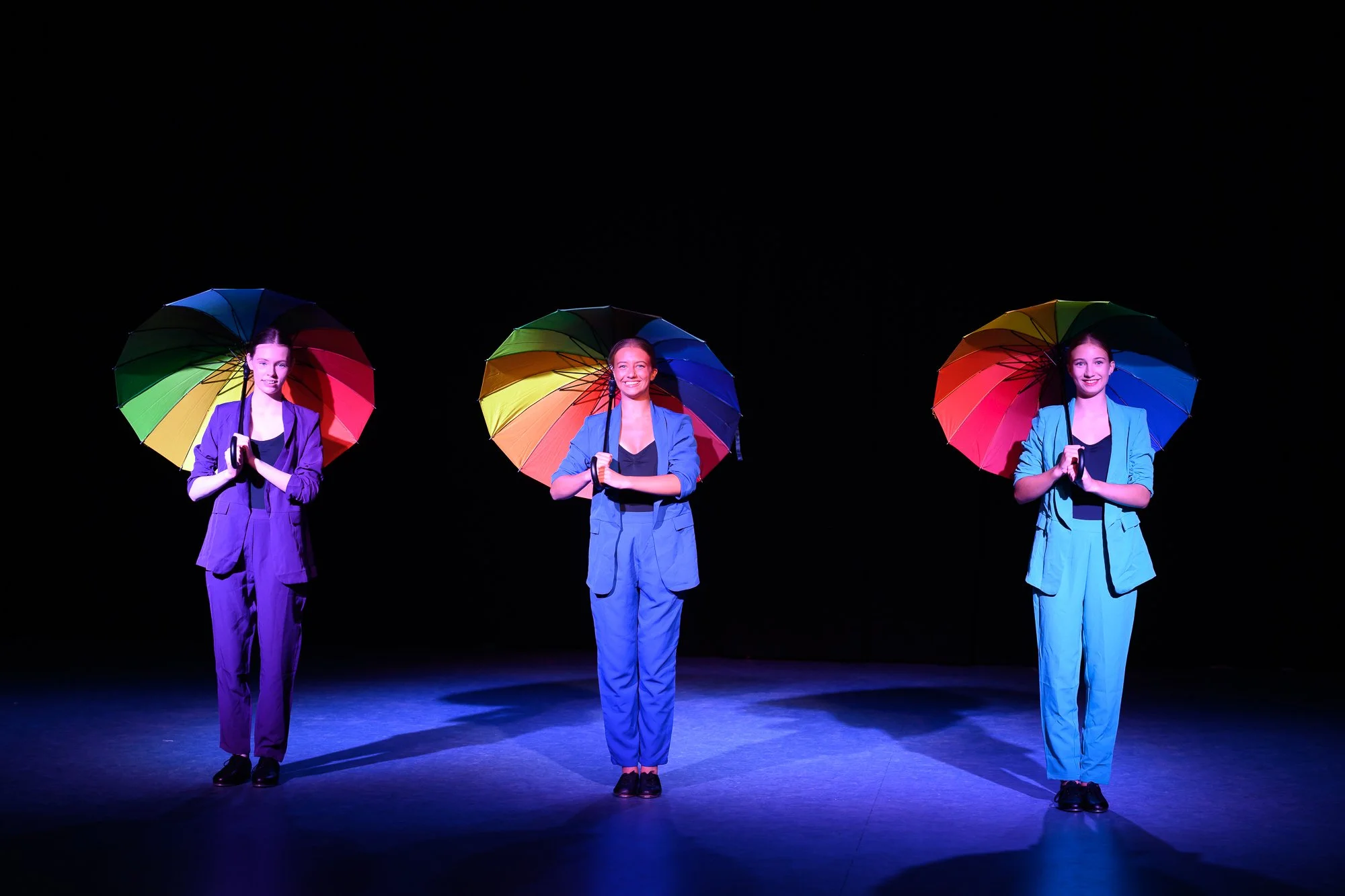
Our Classes
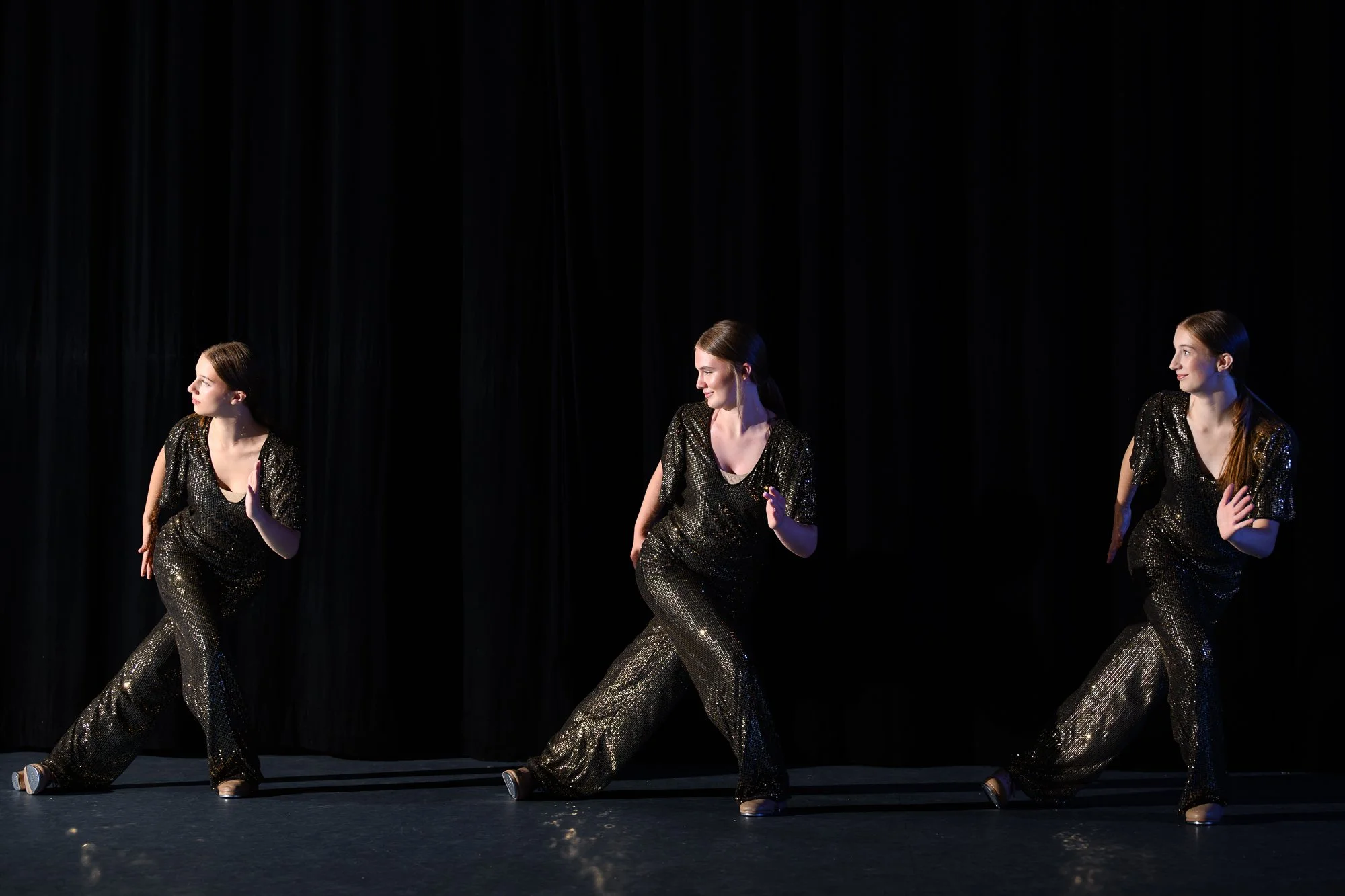
TAP
Tap Dance is an exciting, percussive, rhythmical dance form. The dancer uses their feet to strike the floor, beating out a melody, with tap shoes which have small metal plates on the toe and heel to give the distinctive sound.
About the Style
Tap dance focuses on precise footwork, timing, and expression. Classes typically include:
Basic steps, rhythms, and combinations
Improvisation and creative expression
Coordination, balance, and musicality exercises
Performance techniques and stage presence
Benefits of Tap Dance
Develops rhythm, timing, and coordination
Strengthens legs, feet, and core
Boosts confidence and self-expression
Enhances focus, memory, and concentration
Tap Classes Offered
Tap
Adult Tap
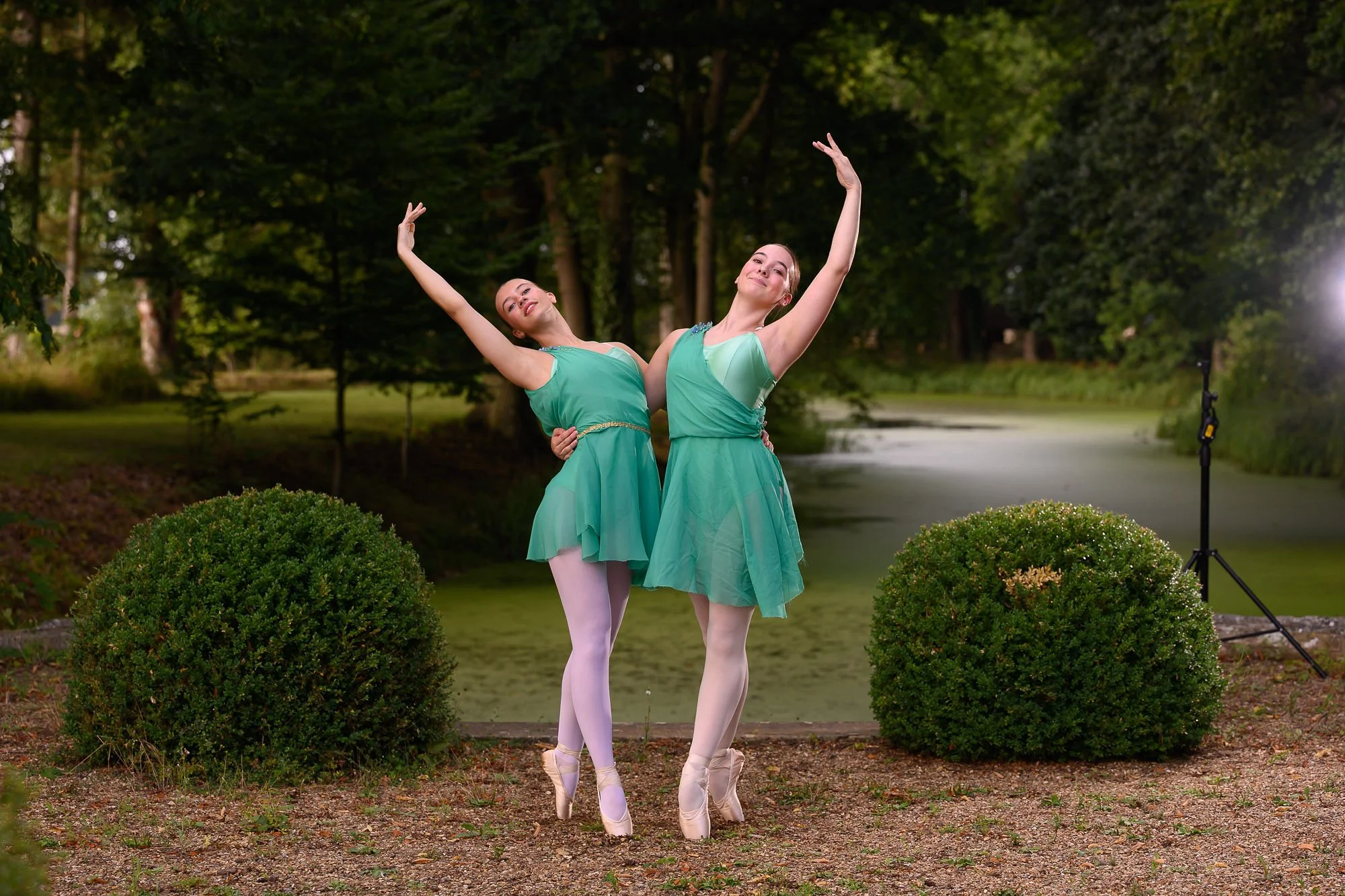
BALLET
Ballet Is a classical form of dance that requires grace and precision. This includes flowing patterns to create expression through movement.
Ballet classes will help dancers with posture, flexibility, fitness, balance, self-discipline, and self-confidence. Students are taught proper body placement, body alignment, barre and centre floor work, along with across the floor combinations.
About the Style
Ballet training emphasizes correct alignment and body placement through structured exercises. Classes typically include:
Barre work to build strength and flexibility
Centre practice for balance, coordination, and control
Jumps and turns to develop power and precision
Musical awareness and performance quality
Benefits of Ballet
Improves posture, balance, and coordination
Builds strength, flexibility, and control
Enhances focus, discipline, and confidence
Creates a strong technical foundation for all dance styles
Ballet Classes Offered
Ballet
Ballet Technique
Ballet Pointe
Adult Ballet
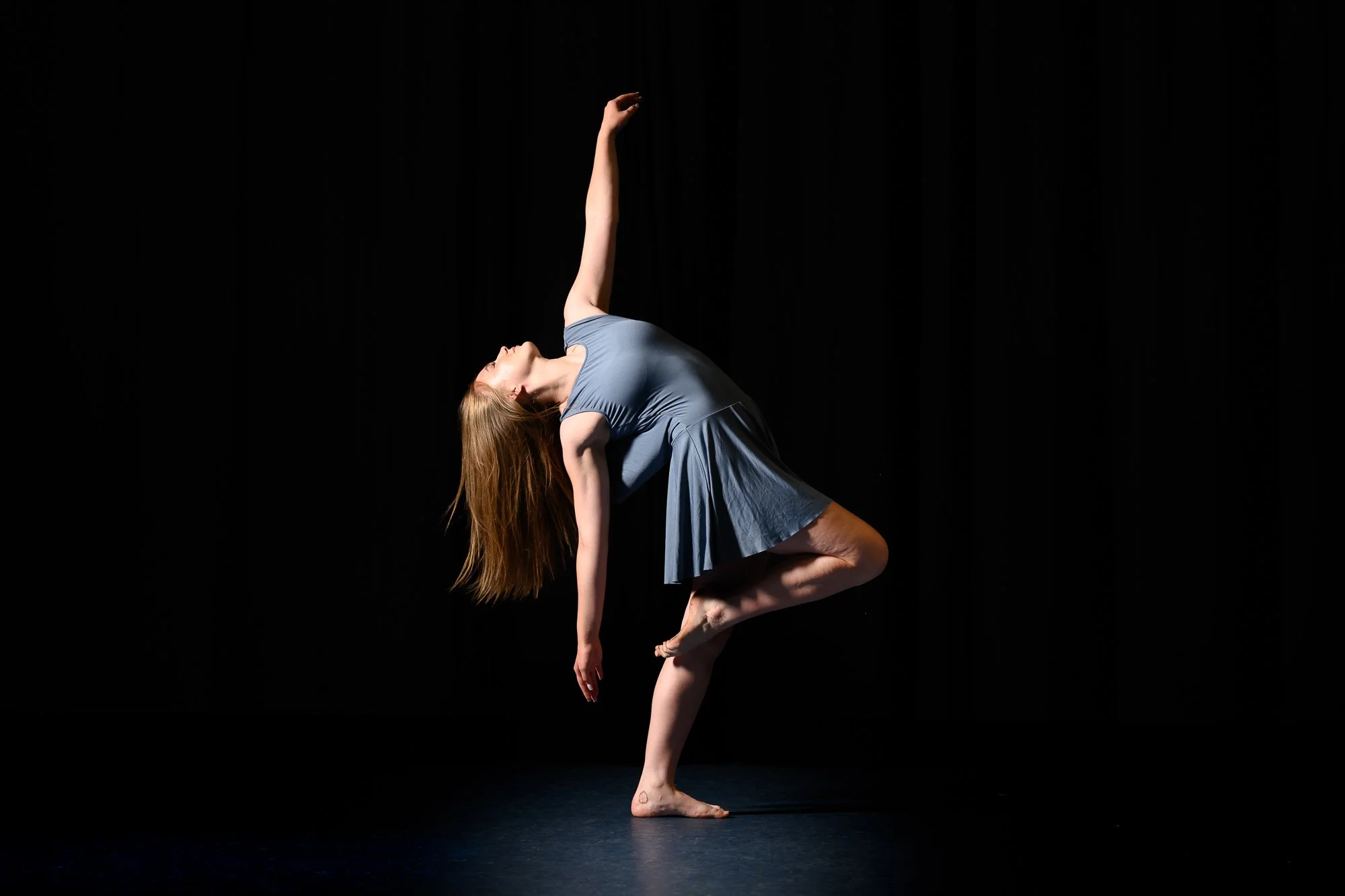
CONTEMPORARY
Contemporary dance is a dynamic and expressive dance style that blends elements of modern, jazz, ballet, and improvisation. It focuses on storytelling, emotion, and freedom of movement, allowing dancers to explore both physical technique and artistic expression.
About the Style
Contemporary dance encourages dancers to move with intention, using breath, gravity, and flow to create powerful and fluid movement. Classes often explore:
Floor work and transitions
Strength, balance, and flexibility
Musicality and dynamics
Emotional expression and creativity
There are no rigid rules—each dancer is encouraged to develop their own movement quality and style.
Benefits of Contemporary Dance
Builds strength, flexibility, and control
Improves coordination and body awareness
Encourages creativity and self-expression
Enhances performance quality and confidence
MODERN
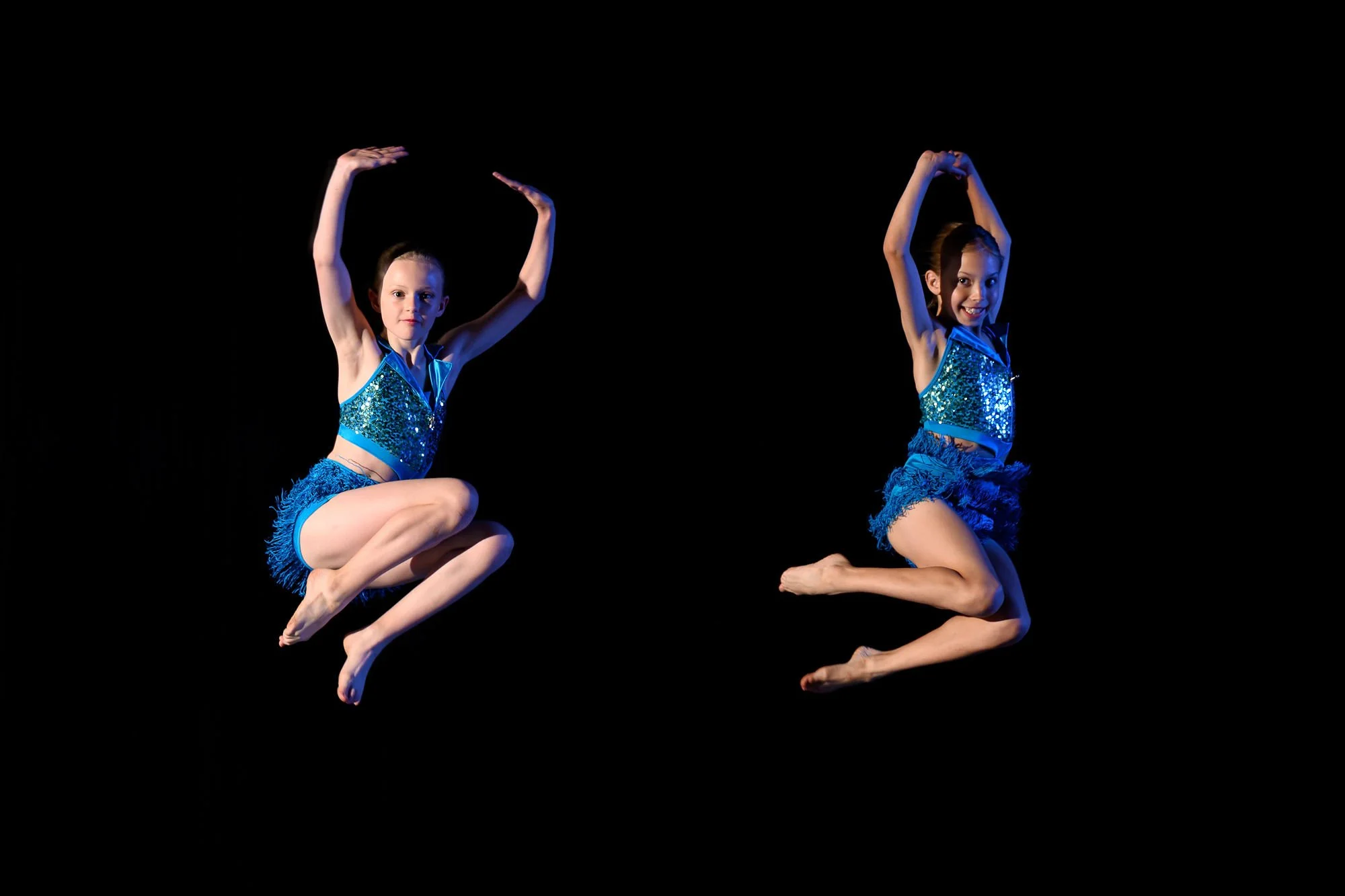
Modern dance is a dynamic and expressive dance style that emphasizes freedom of movement, creativity, and self-expression. Rooted in breaking away from classical ballet, it allows dancers to explore emotion, rhythm, and storytelling through innovative and contemporary movements.
About the Style:
Modern dance focuses on natural body movement and expression rather than rigid technique. Classes typically include:
Floor work and grounded movements
Improvisation and creative exercises
Strength, flexibility, and body awareness
Musicality and expressive performance
Benefits of Modern Dance
Enhances flexibility, strength, and coordination
Encourages creativity and personal expression
Improves balance, posture, and body awareness
Boosts confidence and performance skills
MUSICAL THEARTRE
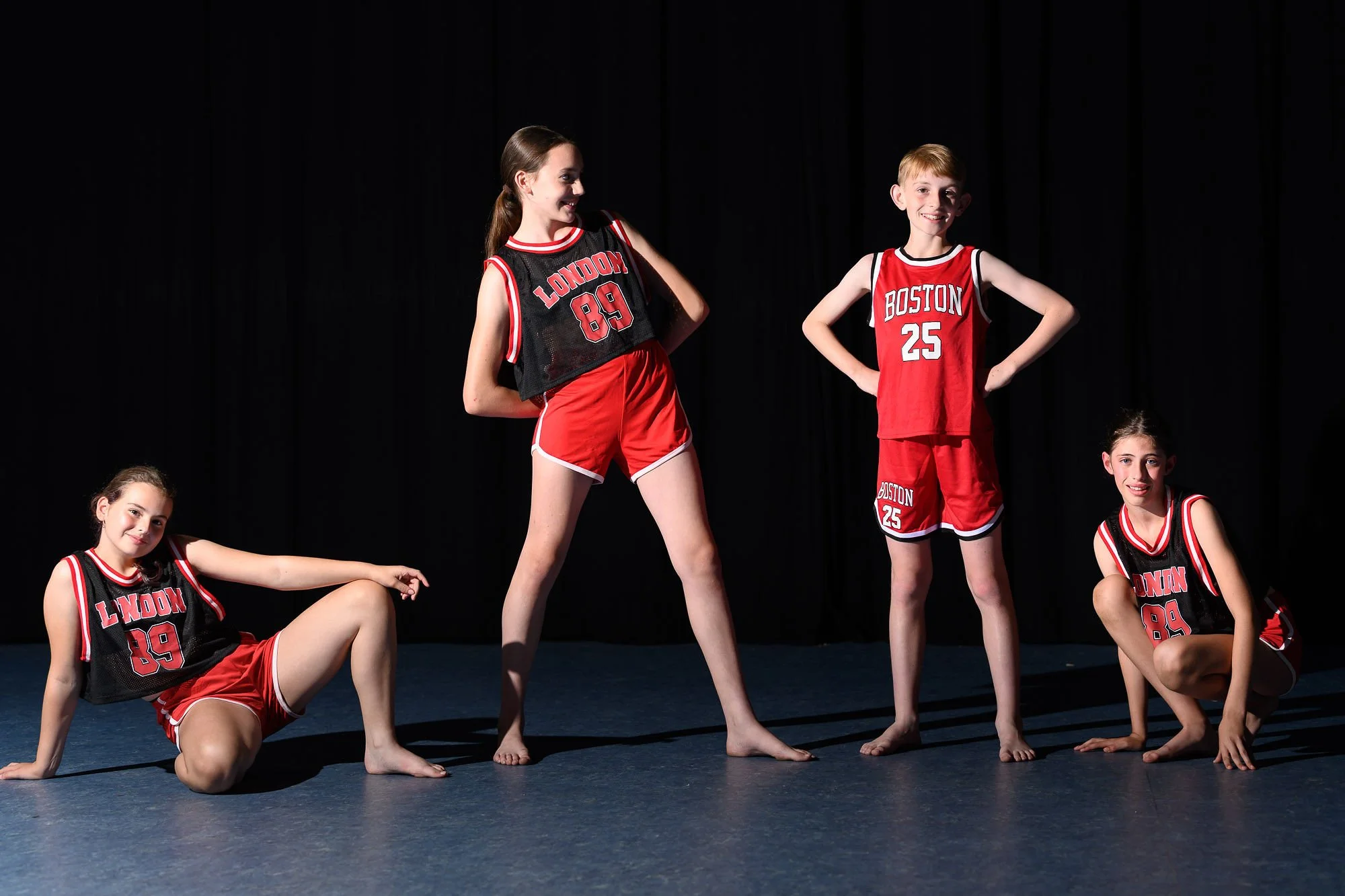
Musical Theatre is a style of dance that combines elements of acting, dancing, and singing to capture the expressive, story-driven feel of stage musicals.
Here’s what it typically involves:
Storytelling through movement – You’re not just learning steps; you’re learning to perform them with emotion and character as if you’re in a scene from a local production or a West End show.
Blend of dance styles – Musical theatre dance often pulls from jazz, ballet, contemporary, tap, and even ballroom, depending on the show’s style.
Character work – Students might be given a role or “persona” to embody while dancing, to connect movement to narrative.
Use of props and staging – Chairs, hats, or other set pieces might be incorporated, just like in a stage number.
Theatrical performance skills – Facial expressions, timing with music, and awareness of the “audience” are just as important as technique.
SINGING
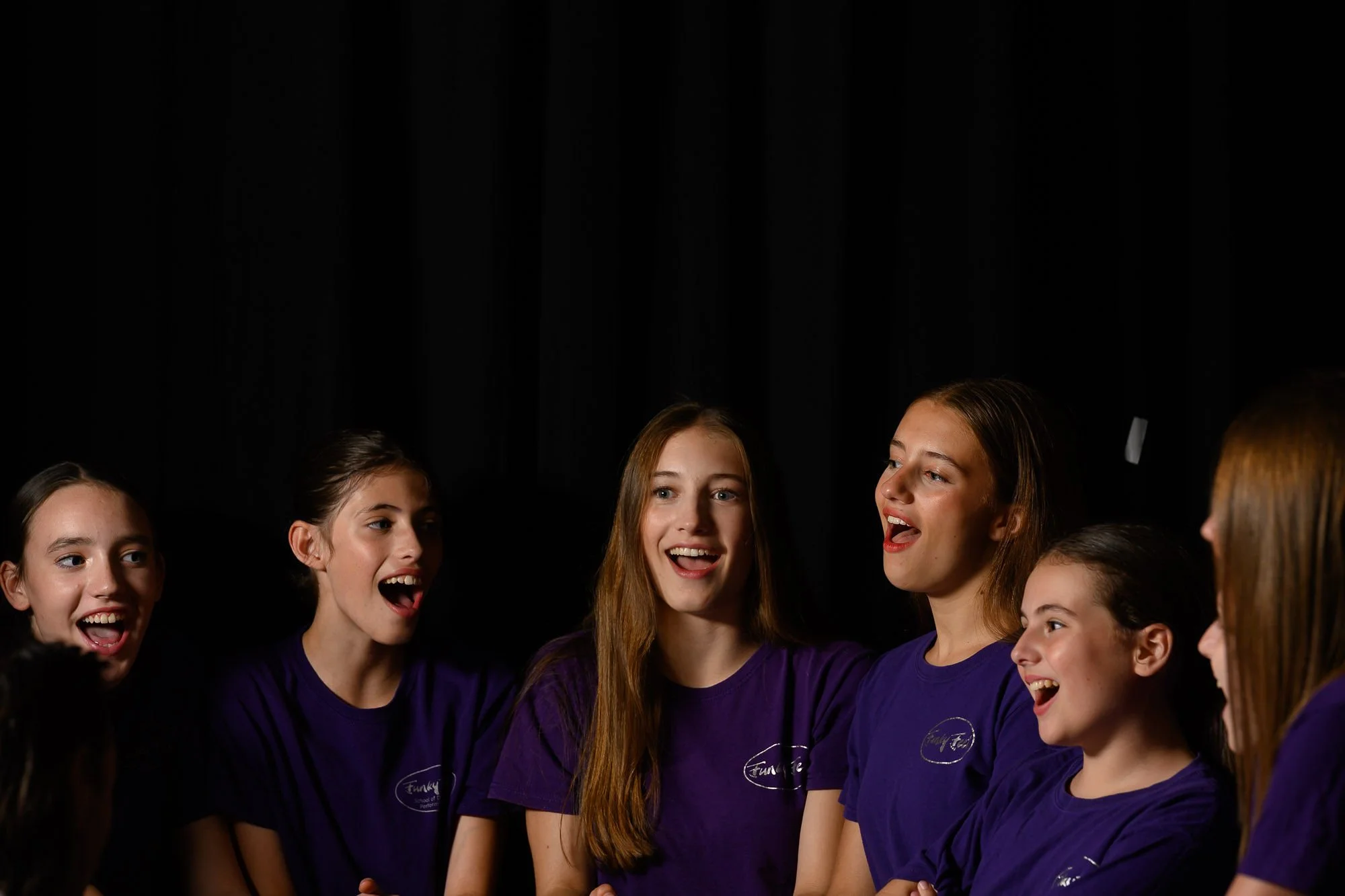
Singing classes are part of our triple threat training (where you can learn to dance, act, and sing). The focus is a little different from a specialist music school—we want you to be the best singer you can be, whilst also learning performance singing techniques.
Here’s what we concentre on:
Vocal Technique Basics – Learning how to breathe properly, support your voice, use resonance, and sing without straining.
Pitch & Tone Control – Exercises to match notes, stay on key, and improve vocal quality.
Projection & Clarity – How to make your voice carry in a theatre without shouting.
Articulation & Diction – Especially important in musical theatre, where the audience needs to understand every word.
Expressive Performance – Using emotion, facial expression, and body language to bring a song to life, often tying in with acting skills.
Repertoire – Learning songs from musicals, pop, or other genres that suit the student’s voice and the school’s productions.
Ensemble Singing – Harmonizing and blending with a group, often while moving or dancing.
Singing While Dancing – Building the stamina and breath control to keep pitch steady while performing choreography.
It’s less about training you to be an opera singer and more about helping you be a well-rounded stage performer who can tell a story through both movement and voice.
ACRO
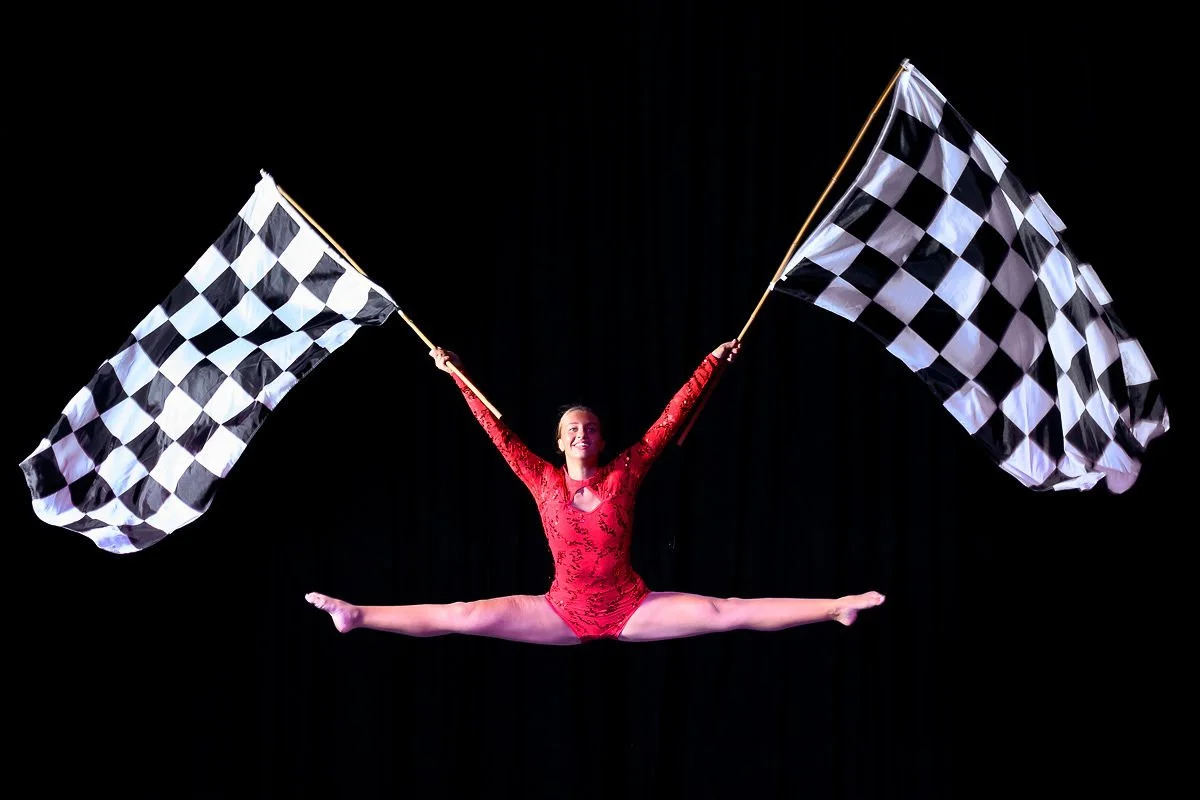
Acro (short for acrobatic dance) is a style that blends classical dance technique with acrobatic skills—think of it as the meeting point between gymnastics and dance.
Here’s what it’s about:
Dance + Acrobatics – Movements like walkovers, aerials, handstands, chest rolls, and balances are combined with fluid dance transitions so the tricks feel like part of the choreography.
Strength & Flexibility Training – Classes focus heavily on core strength, back and leg flexibility, and safe technique for tumbling and lifts.
Control & Precision – Unlike gymnastics floor routines, acro is performed in time with music and connected with expressive dance movements.
Smooth Transitions – One of the biggest hallmarks is making flips and tricks flow seamlessly into the dance, so it doesn’t feel like “stop → trick → stop.”
Safety & Spotting – Students often work with mats and trained spotters when learning new skills to prevent injury.
If gymnastics is about athletic performance and dance is about artistry, acro dance is where those two worlds collide in harmony, where a back.
STREET/COMMERCIAL
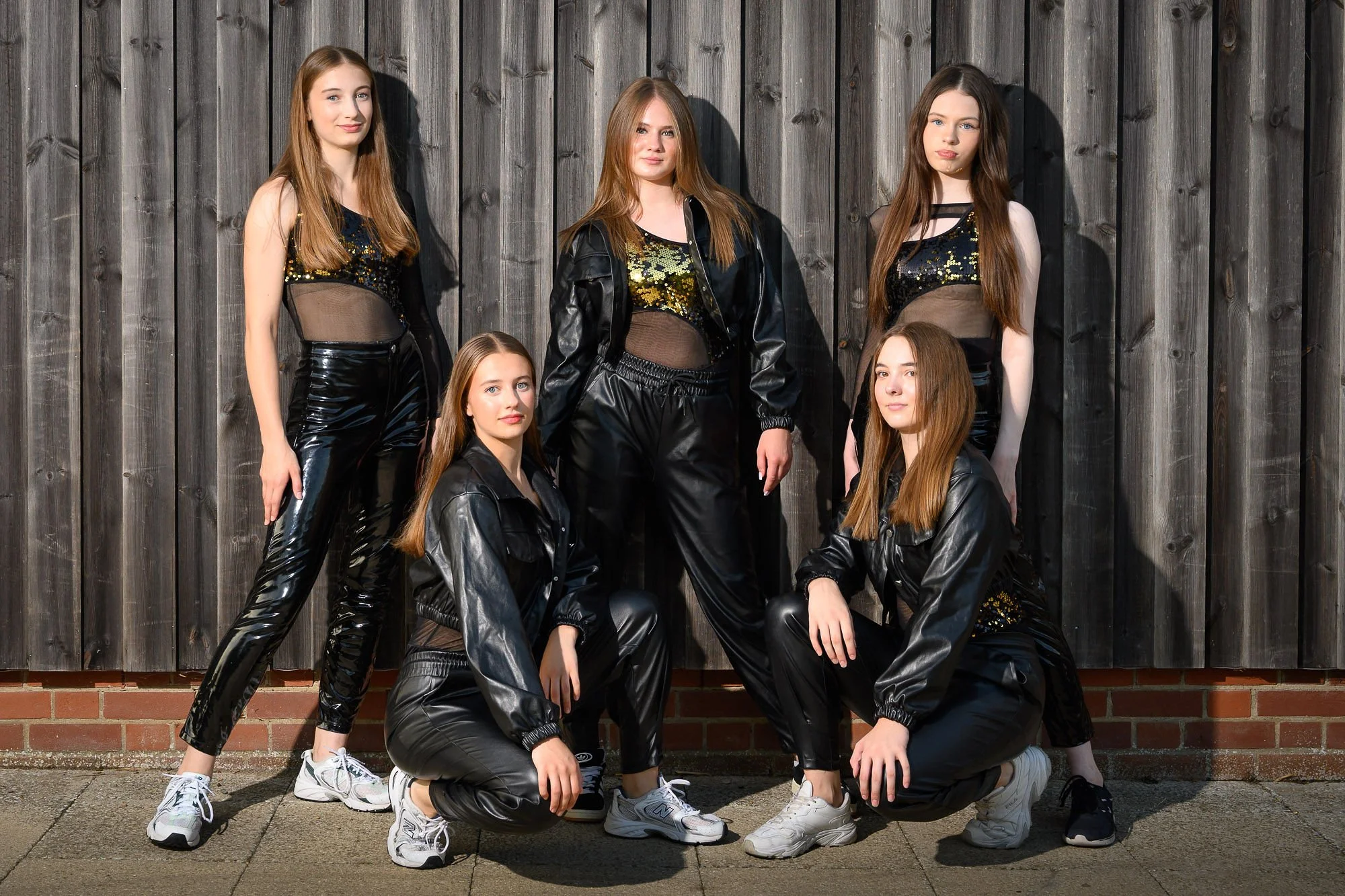
Street/commercial dancing is a vibrant, freestyle-driven form of dance that originated in urban communities. It grew from social gatherings, block parties, and street battles where dancers expressed identity, creativity, and rhythm through movement. Unlike formal studio styles, street dance emphasizes individuality, musicality, and self-expression.
Street dance is deeply connected to hip-hop culture and other urban movements. Styles developed organically in neighbourhoods and public spaces, shaped by music, community, and storytelling. Respect, originality, and connection to the beat are core values.
Commercial dance is a high-energy, versatile and trendy style designed for commercial entertainment, including music videos, pop artist tours, film, television, and advertisements. It is a fusion of hip-hop and jazz, often incorporating sharp,, "sassy" movements, strong musicality, and street styles
Street dancing builds confidence, creativity, and community. It’s a powerful way to stay active, connect with music, and express who you are—no matter your background or experience level.
LIMBERING
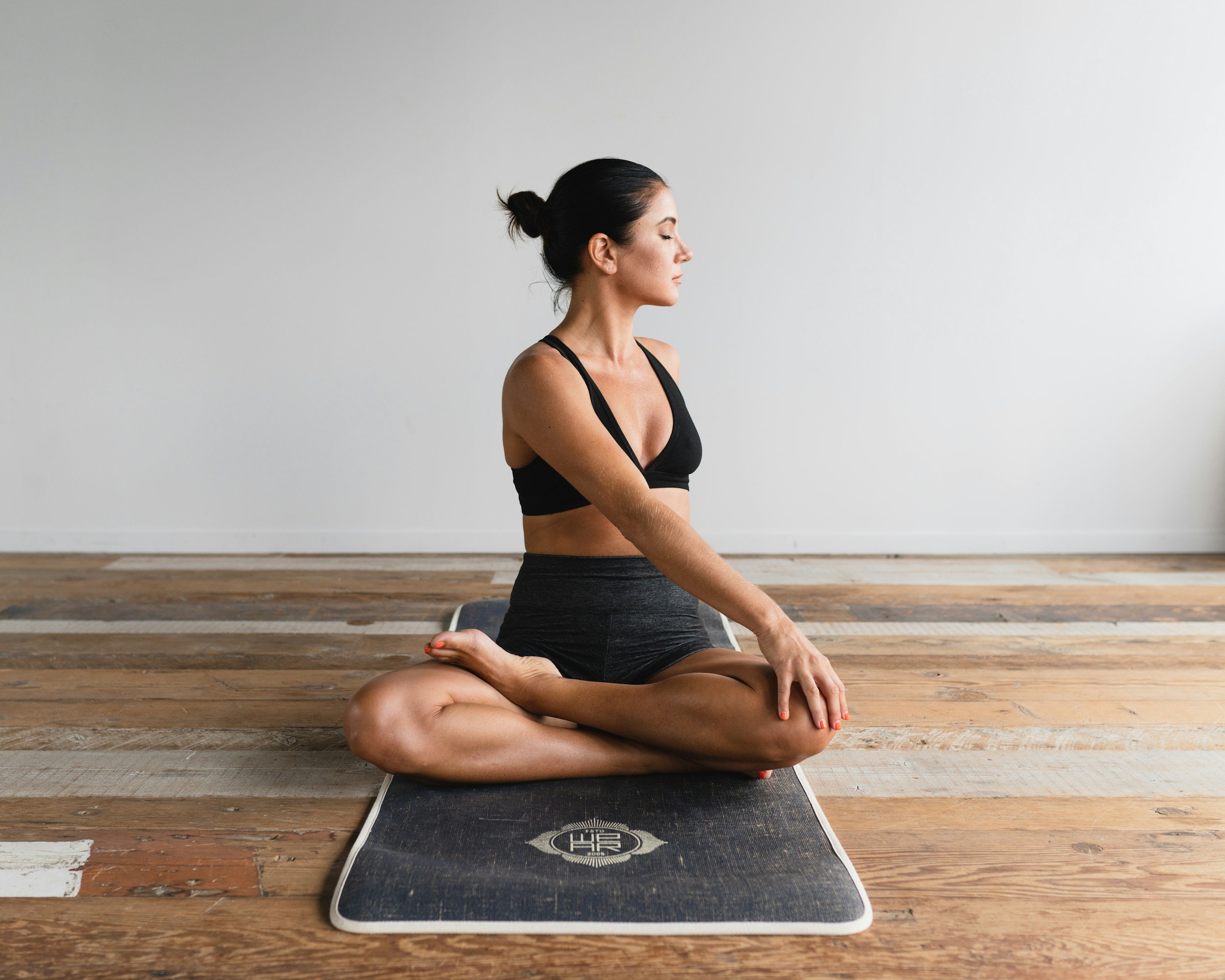
Limbering is a foundational dance class focused on preparing the body for movement through gentle stretching, mobility work, and controlled exercises. It helps dancers improve flexibility, coordination, and body awareness while reducing the risk of injury.
What to Expect
In a limbering class, dancers work through:
Full-body warm-ups to increase blood flow and joint mobility
Stretching exercises to enhance flexibility and range of motion
Strength and control work to support balance and alignment
Breathing and relaxation techniques to release tension
Benefits of Limbering
Improves flexibility and posture
Enhances movement quality and flow
Reduces muscle stiffness and fatigue
Prepares the body for more intense dance training
MINI MOVERS
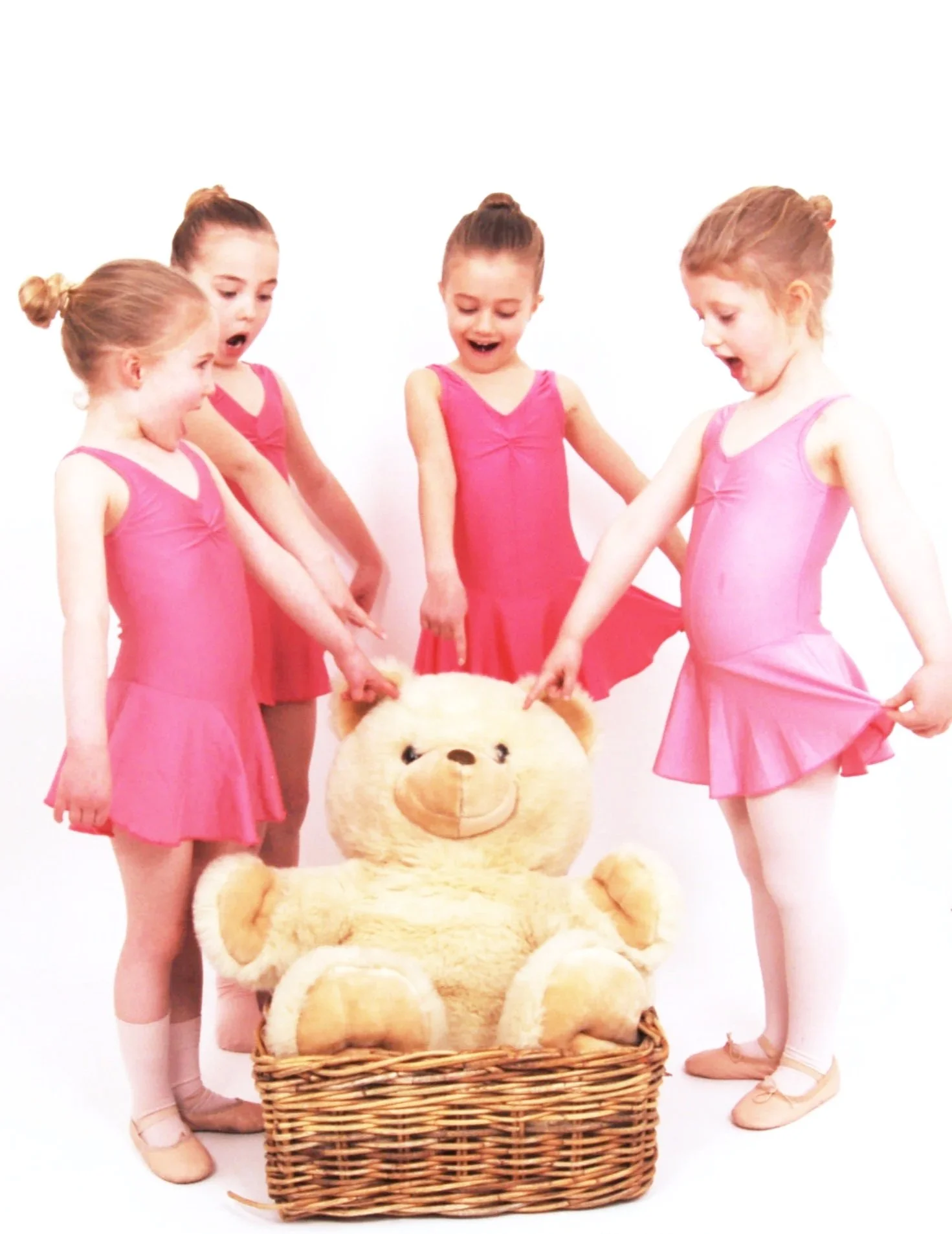
Mini Movers is a fun and playful dance class specially designed for children aged 2 years and above. This class introduces young movers to music and movement in a safe, supportive, and joyful environment.
What the Class Includes
Simple dance movements and creative play
Music, rhythm, and coordination activities
Games that encourage imagination and expression
Gentle stretching and balance exercises
Classes are structured yet flexible, allowing children to explore movement at their own pace while building confidence and body awareness.
Benefits for Your Child
Develops motor skills, balance, and coordination
Encourages listening and social interaction
Builds confidence and creativity
Supports early physical and emotional development
JAZZ TECHNIQUE
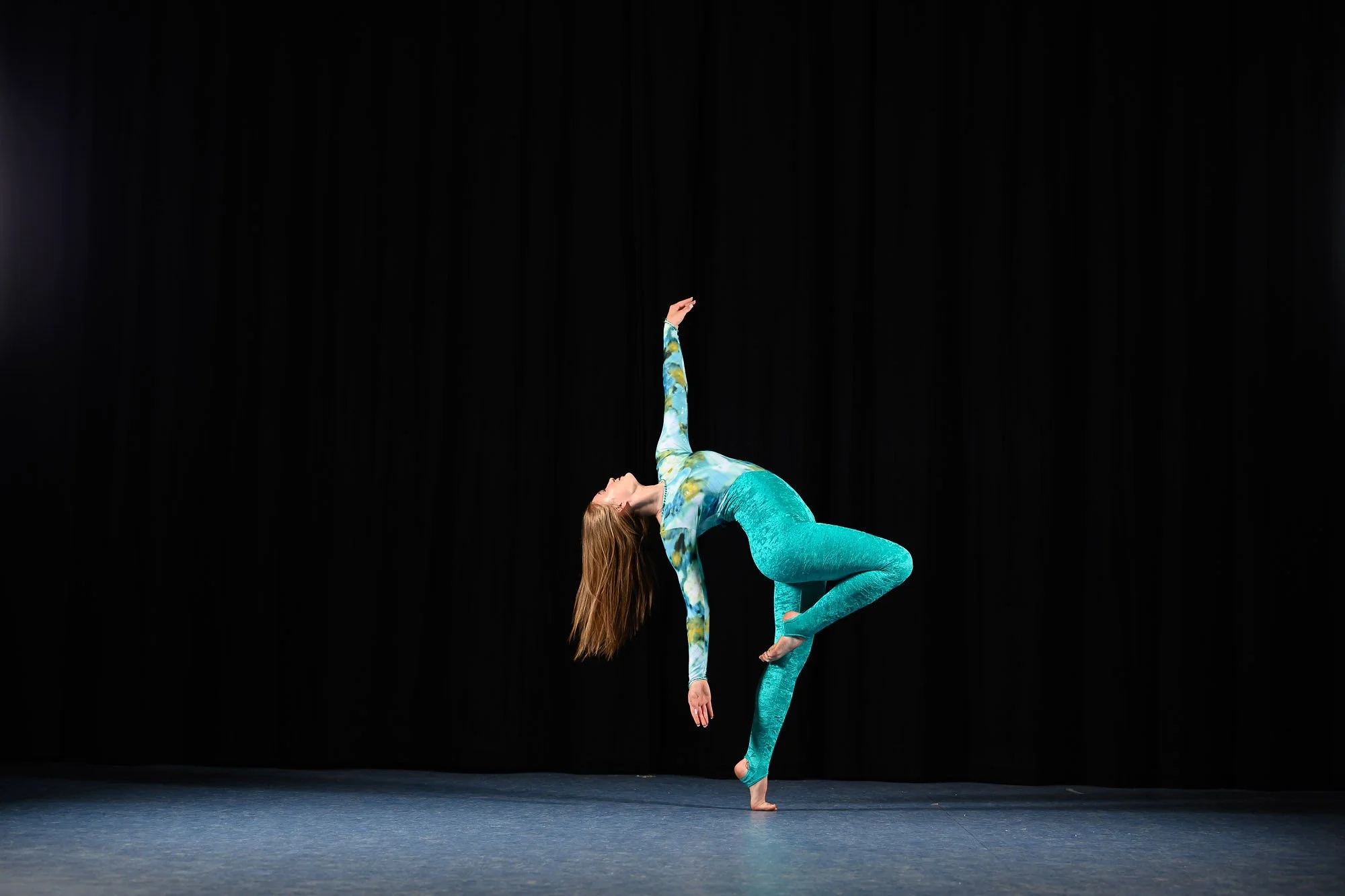
Jazz dance is a lively and energetic style that combines rhythm, style, and precise technique. It draws from classical ballet, modern dance, and popular culture, focusing on sharp movements, strong lines, and expressive performance.
About the Style
Jazz technique classes develop dancers’ control, coordination, and musicality. Sessions typically include:
Warm-ups and stretches to increase flexibility
Isolations, turns, and jumps to build strength and precision
Combinations that improve rhythm, timing, and performance skills
Expressive exercises to enhance style and stage presence
Benefits of Jazz Dance
Builds strength, flexibility, and coordination
Improves posture, balance, and body awareness
Enhances musicality and rhythm
Boosts confidence and self-expression